CISA Adds Two Known Exploited Vulnerabilities to Catalog

CISA has added two new vulnerabilities to its Known Exploited Vulnerabilities (KEV) Catalog, based on evidence of active exploitation.
CVE-2009-0556 Microsoft Office PowerPoint Code Injection Vulnerability
CVE-2025-37164 HPE OneView Code Injection Vulnerability
These types of vulnerabilities are frequent attack vectors for malicious cyber actors and pose significant risks to the federal enterprise.
Binding Operational Directive (BOD) 22-01: Reducing the Significant Risk of Known...
How Cisco Talos powers the solutions protecting your organization
Cisco Talos is Cisco’s threat intelligence and security research organization that powers Cisco’s product portfolio with that intelligence. While we are well known for the security research in our blog, vulnerability discoveries, and our open-source software, you may not be aware of exactly how our know-how protects Cisco customers.Talos’ core mission is to understand the broad threat landscape and distill the massive amount of telemetry...
International Threats: Themes for Regional Phishing Campaigns
By: Max Gannon, Intelligence TeamCofense Intelligence relies on over 35 million trained employees from around the world, therefore a considerable number of analyzed campaigns are written in languages other than English. This report covers from May 2023 to May 2025 and focuses on the overall themes of campaigns in the top five most commonly seen languages besides English that...
Decoding the GitHub recommendations for npm maintainers
This blog post explores the rationale and implementation behind GitHub's security recommendations for npm maintainers following numerous high-profile supply-chain incidents. It details how hardening publishing infrastructure through trusted publishing, enforced two-factor authentication, and WebAuthn-based protocols can meaningfully increase the resilience of the ecosystem. - Read more
GRU-Linked BlueDelta Evolves Credential Harvesting
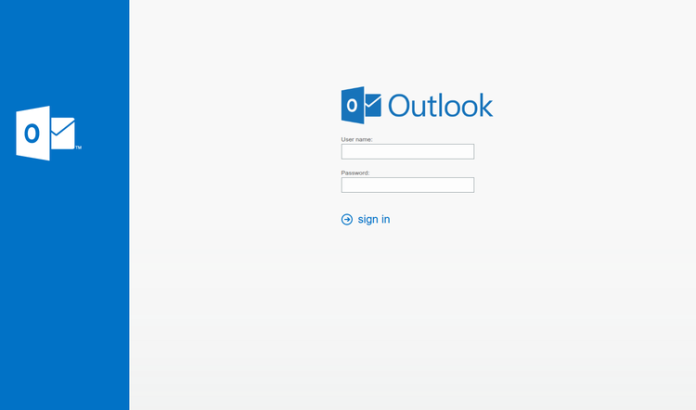
The analysis cut-off date for this report was September 11, 2025 Executive Summary Between February and September 2025, Recorded Future’s Insikt Group identified multiple credential-harvesting campaigns conducted by BlueDelta, a Russian state-sponsored threat group associated with the Main Directorate of the General Staff of the Armed Forces of the Russian Federation (GRU). This activity represents an expansion of...
Columbia Weather Systems MicroServer
View CSAF
Summary
Successful exploitation of these vulnerabilities could allow an attacker to redirect connections to an attacker controlled device, gain admin access to the web portal, or gain limited shell access.
The following versions of Columbia Weather Systems MicroServer are affected:
MicroServer firmware (CVE-2025-61939, CVE-2025-64305, CVE-2025-66620)
CVSS
Vendor
Equipment
Vulnerabilities
v3 8.8
Columbia Weather Systems
Columbia Weather Systems MicroServer
Improper Restriction of Communication Channel to Intended Endpoints, Cleartext Storage in...
WhiteDate – 20,363 breached accounts
In December 2025, the dating website "for a Europid vision" WhiteDate suffered a data breach that was subsequently leaked online, initially exposing 6.1k unique email addresses. The leaked data included extensive personal information such as physical appearance, income, education and IQ. A more comprehensive dataset was later provided to HIBP, containing usernames, IP addresses, private messages and a total...
WhiteDate – 6,076 breached accounts
In December 2025, the dating website "for a Europid vision" WhiteDate suffered a data breach that exposed 6k unique email addresses. The breach exposed extensive further personal information including data related to physical appearance, income, education and IQ. - Read more
MongoBleed Unauthenticated Memory Leak
What is the Vulnerability? A critical vulnerability in MongoDB Server’s handling of zlib-compressed network traffic allows a fully unauthenticated remote attacker to read uninitialized heap memory and leak sensitive data directly from server memory. The flaw stems from improper buffer length handling during zlib...
Latest article

2025 FINMA ISAE 3000 Type II attestation report available with 183 services in scope
Amazon Web Services (AWS) is pleased to announce the issuance of the Swiss Financial Market Supervisory Authority (FINMA) Type II attestation report...

Vulnerability monitoring service secures public-sector websites faster
An automated scanning system has cut the time it takes to fix cybersecurity vulnerabilities across public sector IT systems, reducing...
Chrome Gemini Vulnerability Lets Attackers Access Victims’ Camera and Microphone Remotely
A high-severity security vulnerability has been discovered in Google Chrome’s integrated Gemini AI assistant, exposing users to unauthorized camera and microphone access, local file...
2nd March – Threat Intelligence Report
For the latest discoveries in cyber research for the week of 2nd March, please download our Threat Intelligence Bulletin.
TOP ATTACKS AND BREACHES
Wynn Resorts, a...