How Our Threat Analytics Multi-Region Data Lake on AWS Stores More, Slashes Costs

Data is the lifeblood of digital businesses, and a key competitive advantage. The question is: how can you store your data cost-efficiently, access it quickly, while abiding by privacy laws?
At Imperva, we wanted to store our data for long-term access. Databases would’ve cost too much in disk and memory, especially since we didn’t know much it would grow, how...

The fourth horseman: CVE-2019-0797 vulnerability

In February 2019, our Automatic Exploit Prevention (AEP) systems detected an attempt to exploit a vulnerability in the Microsoft Windows operating system. Further analysis of this event led to us discovering a zero-day vulnerability in win32k.sys. We reported it to Microsoft on February 22, 2019. The company confirmed the vulnerability and assigned it CVE-2019-0797. Microsoft have just released a...
Cybersecurity Skills Gap Survey 2019

Cybersecurity Skills Gap Survey 2019 #outlook a{ padding:0; } body{ width:100% !important; } .ReadMsgBody{ width:100%; } .ExternalClass{ width:100%; } body{ -webkit-text-size-adjust:none; } body{ margin:0; padding:0; } img{ border:0; height:auto; line-height:100%; outline:none; text-decoration:none; } table td{ border-collapse:collapse; } #backgroundTable{ height:100% !important; margin:0; padding:0; width:100% !important; } body,#backgroundTable{ background-color:#ffffff;...
Spam and phishing in 2018

Numbers of the year
The share of spam in mail traffic was 52.48%, which is 4.15 p.p. less than in 2017.
The biggest source of spam this year was China (11.69%).
74.15% of spam emails were less than 2 KB in size.
Malicious spam was detected most commonly with the Win32.CVE-2017-11882 verdict.
The Anti-Phishing system was triggered 482,465,211 times.
18.32% of unique users encountered phishing.
Global...
A predatory tale: Who’s afraid of the thief?

In mid-February, Kaspersky Lab received a request for incident response from one of its clients. The individual who initially reported the issue to our client refused to disclose the origin of the indicator that they shared. What we do know is that it was a screenshot from one of the client’s internal computers taken on February 11 while an...
The ACME Protocol is an IETF Standard

It has long been a dream of ours for there to be a standardized protocol for certificate issuance and management. That dream has become a reality now that the IETF has standardized the ACME protocol as RFC 8555. I’d like to thank everyone involved in that effort, including Let’s Encrypt staff and other IETF contributors.
Having a standardized protocol for...



Latest article

Check Point VPN Authentication Bypass Vulnerability
What is the Vulnerability? A critical authentication bypass vulnerability, CVE-2026-50751 (CVSS...
CISA tells agencies to patch smarter, not harder — foreshadowing broader industry practice
Security teams’ patching practices have come under intense pressure over the past year, as active exploitation is up, time-to-exploit windows...
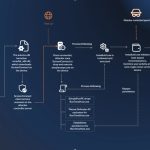
Hackers Abuse Fake Utility Downloads to Install ScreenConnect and Mine Cryptocurrency
Hackers are turning everyday software searches into a trap. A sophisticated cryptojacking campaign is actively targeting users who search for popular PC utilities online,...
Automated Threat Hunting: Turning Threat Intelligence into Executable Hunt Plans
Blake McDermott is Senior Threat Hunter at Rapid7.Every week, threat hunt teams are faced with a steady flow of blogs, advisories, and DFIR reports...