|
What is the Vulnerability? |
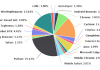
CVE-2026-21858 arises from a Content-Type confusion flaw in n8n’s webhook and form handling logic. Specifically, certain form-based workflows do not adequately validate or enforce multipart form content types, allowing attackers to override internal request parsing state. This allows unauthenticated attackers to: – Read arbitrary files from the server filesystem The issue stems from improper input validation (CWE-20) and flawed logic in how webhook payloads are parsed and handled, enabling manipulation of internal variables that control file handling. Censys telemetry reports an estimated tens of thousands (26,512) of potentially exposed and vulnerable n8n instances when queried across the public internet via service detection. While no confirmed widespread exploitation campaigns have been documented at the time of disclosure, the unauthenticated nature and straightforward exploitability make this highly likely to be weaponized rapidly by scanning and exploitation tools. |
|
What is the recommended Mitigation? |
Immediate upgrade to n8n version 1.121.0 or later – which includes fixes for CVE-2026-21858. Official hardening guidance: https://docs.n8n.io/hosting/securing/blocking-nodes/ – Restrict or disable internet exposure of n8n webhook/form endpoints. |
|
What FortiGuard Coverage is available? |
|

Latest article

Yarbo Android/iOS Mobile Application and Cloud Infrastructure
View CSAF
Summary
Successful exploitation of these vulnerabilities could allow an attacker to obtain hard-coded credentials, gain access to telemetry data, and potentially send operational commands...
Check Point VPN Authentication Bypass Vulnerability
What is the Vulnerability? A critical authentication bypass vulnerability, CVE-2026-50751 (CVSS...
CISA tells agencies to patch smarter, not harder — foreshadowing broader industry practice
Security teams’ patching practices have come under intense pressure over the past year, as active exploitation is up, time-to-exploit windows...