Uncertainty has become the operating environment for business. And this year, fragmentation is driving it.
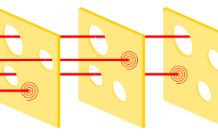
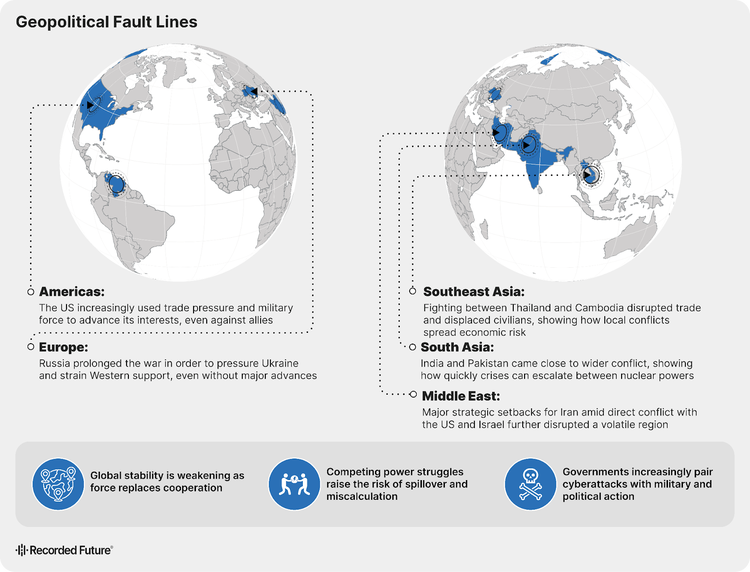
The global threat landscape didn’t simplify in 2025; it shattered. Geopolitical alliances strained. Criminal enterprises splintered under law enforcement pressure, then regrouped into smaller, faster, and harder-to-track operations. State-sponsored cyber actors shifted from dramatic disruptions to quiet pre-positioning, embedding themselves in networks and waiting. Hacktivist groups and influence networks amplified conflicts, blurring the line between genuine intrusions and perception warfare.
But here’s what makes this moment dangerous: as long-established norms unwind, fragmentation is paradoxically enabling greater interoperability across domains that were once distinct. State objectives, criminal capability, and private-sector technology increasingly reinforce one another. That convergence creates uncertainty, compresses warning time, and expands plausible deniability.
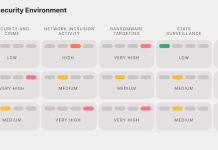
Today, Recorded Future’s Insikt Group releases the 2026 State of Security report, our most comprehensive annual analysis of the forces shaping global security.
Drawing on proprietary intelligence, network telemetry, and deep geopolitical analysis, this report examines how 2025’s fractures are reshaping the threat environment — and what security leaders must prepare for in the year ahead.
The End of Stability as a Baseline Assumption